
CDC Acknowledges Health Risks of Indoor Mold: What Homeowners Need to Know
CDC indoor mold health risks include asthma and respiratory concerns. Learn what federal guidance says about moisture, testing and mold inspections.
CDC indoor mold health risks include asthma and respiratory concerns. Learn what federal guidance says about moisture, testing and mold inspections.

Where Mold Hides in Most Homes: A room-by-room guide to moisture pathways, concealed materials, and the limits of visual checks.

Understand the limits of evidence linking indoor mold with brain fog and how to document cognitive symptoms and building concerns separately.

Which Mold Test Is Right for My Situation? Compare air, surface, bulk, DNA dust, and mycotoxin methods by the question each is intended to answer.
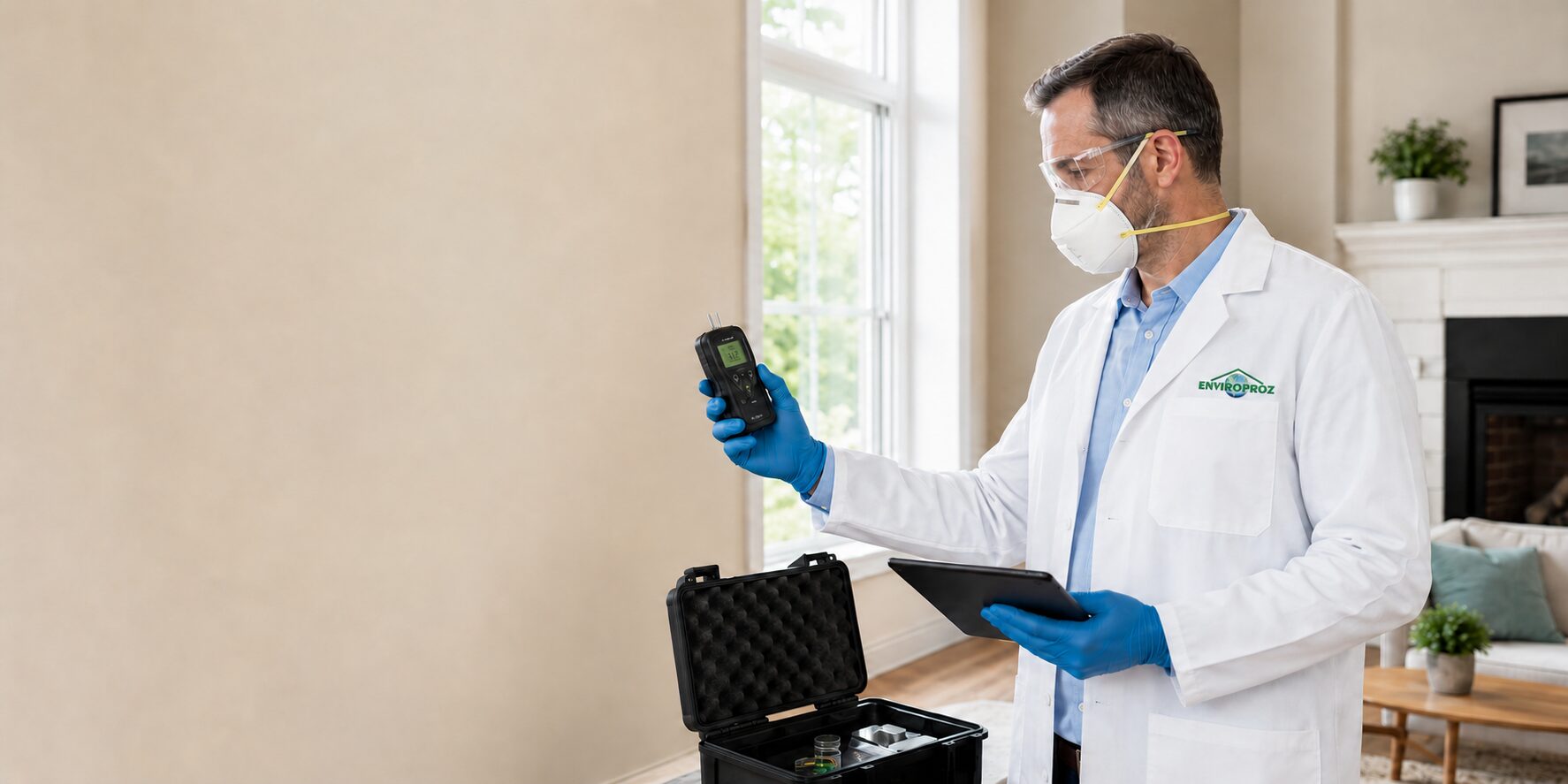
How much does a mold inspection cost? Mold inspection costs vary by scope, home size, sampling, laboratory fees, and reporting. Learn what national estimates include and what to ask before
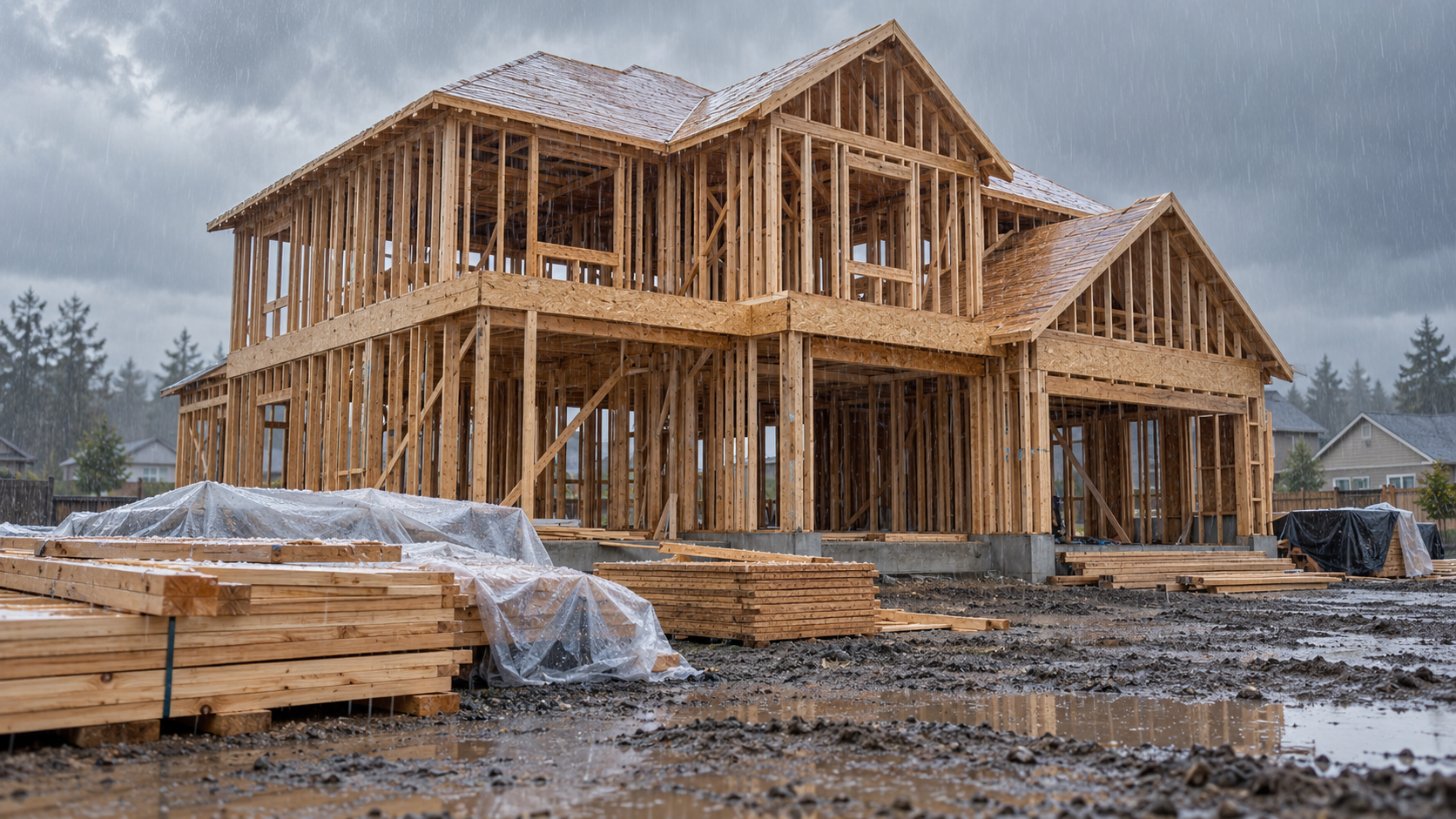
Can new homes have mold? Learn how rain exposure, wet framing, and enclosing damp building materials can create hidden moisture and mold risks in a newly built home.

Mold and mycotoxins are related, but they are not the same thing. Learn the differences between mold exposure and mycotoxin exposure—and what environmental testing can and cannot determine.
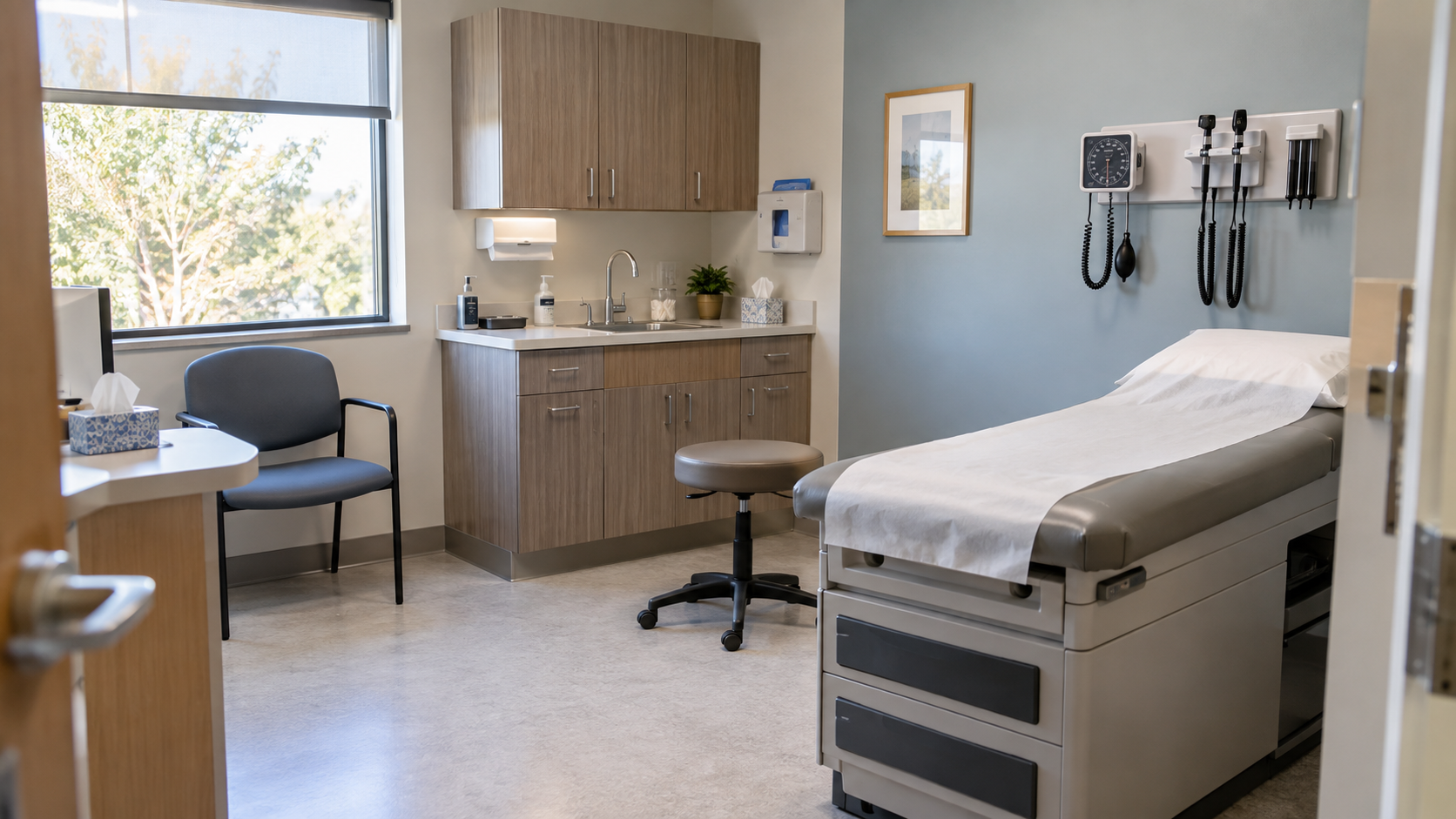
How do you know if mold is making you sick? Learn which symptom patterns and building conditions may indicate an indoor mold or moisture problem.
Mold exposure affects people differently. Learn which respiratory, allergic, and other symptoms may be associated with a damp or mold-contaminated indoor environment.
Indoor mold growth is a hidden health risk lurking in many U.S. homes. Mold thrives in damp, poorly ventilated areas, and it can cause a range of health problems. The